
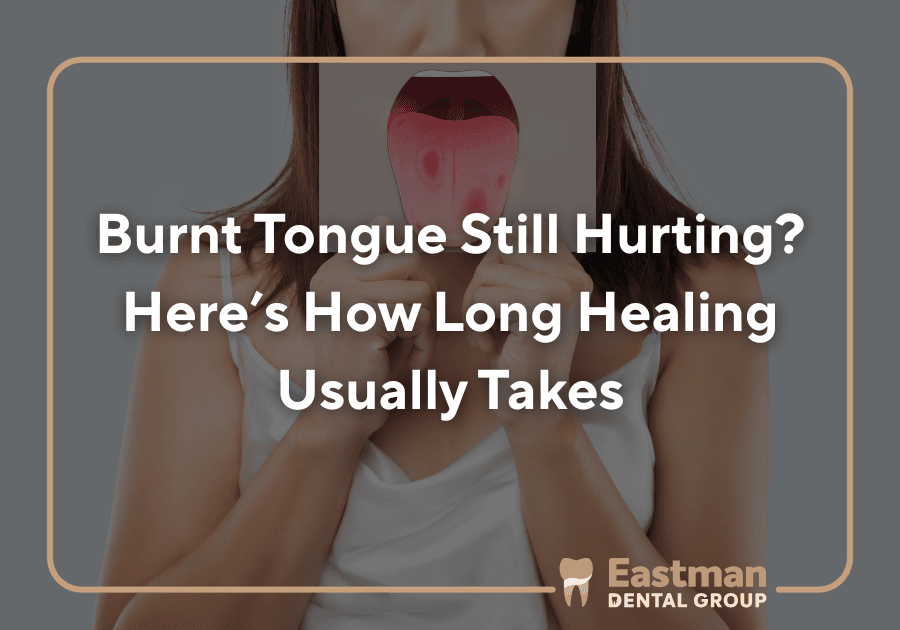
One sip of coffee that was just a little too hot, a bite of pizza straight from the oven, or a spoonful of soup that did not cool down long enough — and suddenly your tongue is burning, tender, and impossible to ignore. A burnt tongue is one of those small injuries that feels disproportionately uncomfortable, mostly because the tongue is packed with nerve endings and involved in almost everything you do — eating, drinking, speaking, and swallowing. If you are dealing with one right now and wondering how long it is going to last and what you can actually do to feel better sooner, this guide covers exactly that. From understanding what a burnt tongue does to the tissue to the home remedies that genuinely help and the signs that warrant a visit to a dental professional, everything you need is right here.
What Actually Happens When You Burn Your Tongue
When scalding food or liquid comes into contact with your mouth, it damages the delicate top layer of tissue on your tongue. The surface of your tongue is covered in tiny projections called papillae, which house your taste buds and temperature sensors. A heat burn causes temporary thermal injury to these delicate structures, leading to localized inflammation, swelling, and redness. Depending on how hot the item was, you might experience temporary loss of taste or a rough, sandpapery texture across the affected area. In more severe cases, tiny fluid-filled blisters can form, exposing the sensitive nerve endings beneath and making your entire mouth feel raw and hyper-reactive.
What Can Slow Down or Speed Up Healing?
How long you have to wait for your burnt tongue to recover depends largely on the severity of the burn and how well you protect the sensitive tissue while it mends.
For a mild burn, most people notice significant relief within two to three days as the top layer of skin cells naturally sheds and regenerates. More severe burns that cause small blisters or raw patches can take anywhere from a week to ten days to heal fully. During this recovery window, a few key factors directly impact how fast your body can repair itself:
- Diet choices: Continuing to eat hot, crunchy, spicy, or acidic foods constantly re-injures the tissue, setting your healing timeline back every time you eat.
- Hydration: A dry mouth slows down cell repair. Keeping your mouth moist helps flush away debris and keeps tissue flexible.
- Oral hygiene practices: Skipping brushing because your mouth hurts allows bacteria to build up around the tender area, increasing inflammation and prolonging discomfort.
- Smoking: A person who smokes may experience more irritation and a less favorable oral healing environment than a nonsmoker. In this clinical finding, smoking has been associated with adverse changes in oral mucosa and delayed healing in oral-health procedures, but the exact increase in healing time for a minor tongue burn has not been established in clinical research.
Simple Ways to Soothe a Burnt Tongue at Home
Home care for a burnt tongue is mainly about reducing discomfort while the tissue heals naturally. Start by drinking cool water soon after the burn. You can also let small ice chips melt slowly in your mouth, but avoid pressing ice directly against the injured tissue for long periods.
Soft, cool foods are usually the easiest to tolerate during recovery. Yogurt, smoothies, mashed foods, scrambled eggs, applesauce, chilled soups, and other mild foods can help you eat without repeatedly irritating the burn. At the same time, avoid very hot, spicy, salty, or acidic foods until your tongue feels normal again.
A gentle saltwater rinse may also help keep the mouth clean. Mix a small amount of salt into warm water, swish it gently around your mouth, and spit it out. Continue brushing and flossing as usual, but use a soft toothbrush and take extra care around the sore area.
Honey has mild antimicrobial and anti-inflammatory properties and can be applied directly to a burnt tongue in small amounts to reduce discomfort and help protect the tissue while it heals. A small spoonful held on the tongue for a moment before swallowing is enough.
Over-the-counter pain relief such as ibuprofen or acetaminophen can help manage discomfort during the first day or two if the burn is particularly painful. Oral numbing gels designed for mouth sores can also provide temporary relief when eating or speaking becomes uncomfortable.
Most importantly, resist the temptation to repeatedly touch or test the burn with your teeth or tongue. Giving the tissue a few quiet days to recover is often one of the most effective things you can do.
When a Burnt Tongue Needs Professional Care
In the vast majority of cases, a burnt tongue heals naturally on its own with basic care. However, because the mouth is home to millions of natural bacteria, an open burn can occasionally develop complications that require professional attention.
You should reach out to a dental professional if:
- The pain remains severe or shows zero improvement after five to seven days.
- You notice signs of a localized infection, such as worsening swelling, white pus, or an unpleasant taste surrounding the burn.
- The tongue looks normal but continues to feel painful long after the original injury should have healed.
- The burn has formed significant blisters that prevent you from drinking fluids or eating basic soft foods.
- You experience recurring burning sensations in your mouth without any obvious trigger from hot food or drinks.
For residents in and around Beausejour, a visit to your Beausejour dental clinic is the most straightforward first step if your burnt tongue symptoms are not following a normal recovery pattern. Dentists are well placed to examine oral tissue, identify whether anything more than a surface burn is present, and recommend appropriate treatment or referral if needed. Early assessment is always better than waiting until discomfort has persisted for several weeks.
Conclusion
While a burnt tongue is a painful and frustrating setback that can temporarily ruin your enjoyment of food and drink, most minor burns clear up within a few days with gentle care, cool foods, and good oral hygiene. By taking simple steps at home and protecting the tender tissue from further heat or irritation, you can significantly reduce discomfort and help your mouth heal as quickly as possible.
If your symptoms linger beyond a week, worsen over time, or make eating and drinking unbearable, you do not have to push through the pain alone. Learn how a Beausejour dentist explains how to heal a burnt tongue faster and get expert support for your oral health. Schedule a consultation with Eastman Dental Group today to ensure your mouth gets the gentle, professional care it needs to recover comfortably.