
The thought of needing a root canal can be worrying, especially when you are already dealing with tooth pain, sensitivity, or a dental problem that seems to be getting worse. It is natural to wonder whether there is anything you could have done earlier to avoid more extensive treatment. In some cases, early dental care can prevent a problem from reaching the inner part of the tooth, while in others, the damage may already be too advanced for a simpler solution. Understanding what causes these problems and when to seek treatment can help you protect your teeth and avoid unnecessary complications.
Table of Contents
ToggleWhen Does a Tooth Need a Root Canal?
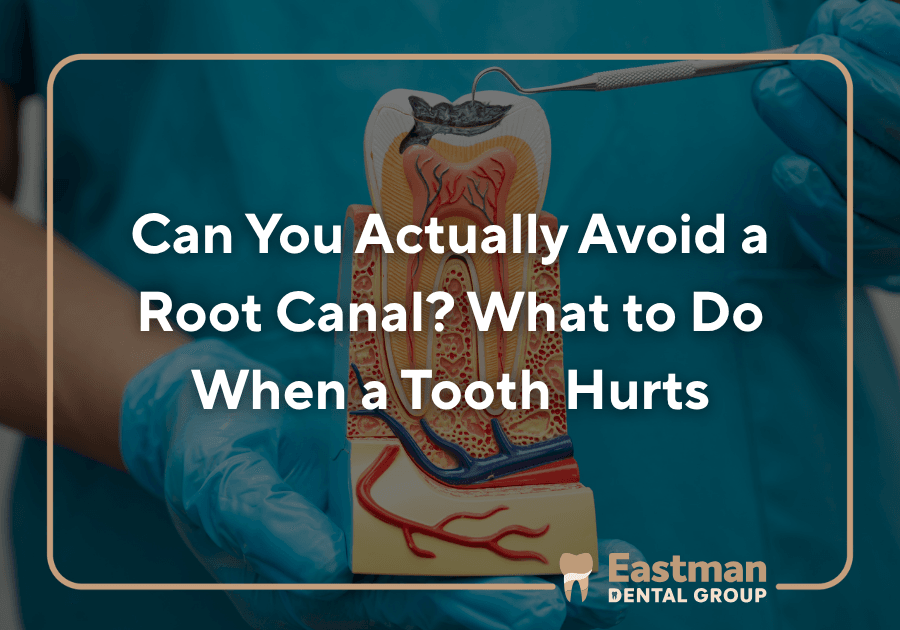
A tooth may need a root canal when damage or infection reaches the pulp, the soft tissue at the center of the tooth containing nerves and blood vessels. Clinical guidelines from the European Society of Endodontology indicate that root canal treatment is recommended when the pulp is irreversibly damaged or necrotic, with or without signs of infection at the root tip. This can happen when deep tooth decay continues untreated, allowing bacteria to move through the outer layers of the tooth. Cracks, chips, or injuries can also create a pathway for bacteria to reach the pulp, even when the damage is not immediately obvious.
Pain and sensitivity can sometimes signal that the problem has reached this stage, particularly when discomfort lingers after exposure to hot or cold foods and drinks. However, symptoms are not always reliable. An infected tooth may sometimes cause little or no pain, especially if the nerve inside has stopped functioning. This is one reason regular dental examinations are important: your dentist can identify signs of deeper damage before you notice them yourself.
The condition of the tooth ultimately determines whether root canal treatment is necessary. If the pulp is still healthy and the damage has not progressed too far, a filling or crown may be enough to restore and protect the tooth. Once the pulp becomes infected or severely damaged, however, treating the inside of the tooth may be necessary to remove the infection and give the natural tooth a chance to remain in place.
Can Early Dental Treatment Help You Avoid One?
The short answer is yes—timing plays a massive role in what kind of treatment your tooth will need. When you first feel a slight twinge of pain or notice a sensitive spot when eating sweets, the damage is usually still confined to the outer, harder layers of the tooth. If you visit a dentist at this early stage, they can often remove the decay and seal the tooth before bacteria ever get close to the sensitive nerve center.
Ignoring these early warning signs is what allows decay to spread deeper. Teeth cannot heal themselves from cavities or cracks. Without professional care, the damage will simply continue to progress toward the center of the tooth. By the time the pain becomes constant or starts waking you up at night, the bacteria have likely breached the inner chamber. At this point, a root canal becomes the necessary next step to remove the infection and save the tooth from needing to be pulled. Catching a problem early is not just about convenience; it is the most effective way to stop a surface-level issue from turning into a deep-rooted infection.
When a Filling or Crown Is Enough — and When It Isn’t
A filling is often appropriate when decay has damaged part of the tooth but has not reached the pulp. The dentist removes the damaged portion and fills the space, restoring the tooth’s shape and function. When a tooth has lost more structure or has become significantly weakened, a crown may be recommended. A crown fits over the remaining tooth to help protect it from further damage.
These treatments are different from a root canal because they can preserve the tooth without removing infected or severely damaged pulp. However, they are not suitable for every situation. If bacteria have reached the pulp and caused an infection, simply covering the tooth with a filling or crown will not address the source of the problem. In that situation, treatment inside the tooth may be needed before it can be properly restored.
The right choice depends on factors such as how deep the decay is, whether the tooth is cracked, how much healthy tooth structure remains, and the condition of the pulp. Rather than assuming that pain automatically means you need a root canal — or that a filling will always be enough — an examination allows your dentist to assess the tooth and recommend treatment based on what is actually happening.
Simple Habits to Stop Deep Dental Infections Before They Start
The best way to handle deep dental infections is to prevent them from developing in the first place. Protecting the inner layers of your teeth comes down to maintaining a few consistent, everyday habits that keep your enamel strong and bacteria at bay.
- Brush and Floss Consistently: Brush gently twice a day with a soft-bristled toothbrush to clear away plaque. Just as importantly, floss once a day. Flossing removes sticky bacteria from the tight spaces between your teeth where a toothbrush cannot reach and where many deep cavities begin.
- Protect Against Grinding: For anyone who grinds their teeth, particularly during sleep, a custom night guard can prevent the gradual cracking and wear that sometimes leads to pulp damage over time. This is worth discussing with a dentist if you wake up with jaw soreness or have been told you grind your teeth at night.
- Healthy Diet: Limiting sugary and acidic foods reduces the fuel available to the bacteria responsible for tooth decay. This does not mean eliminating these foods entirely, but being mindful of how frequently teeth are exposed to them throughout the day matters more than the total amount consumed.
- Do Not Ignore “Minor” Discomfort: Addressing dental problems promptly, rather than waiting to see if they resolve on their own, is one of the most effective preventive habits available. Waiting until the pain becomes unbearable is one of the most common reasons patients end up needing a root canal. A small cavity, a minor crack, or mild sensitivity is far easier and less costly to treat than the same problem left to progress for months.
- Keep Up with Routine Checkups: Finally, routine dental checkups and cleanings — generally recommended every six months — remain the single most reliable way to catch problems early. Professional cleanings remove plaque and tartar buildup that daily brushing cannot fully address, while regular examinations allow a dentist to identify decay, cracks, or early signs of infection well before symptoms appear.
Conclusion
A painful or sensitive tooth does not automatically mean you need a root canal. When dental problems are caught early, a filling, crown, or other simpler treatment may be enough to protect the tooth and prevent the problem from reaching the pulp. However, once the pulp becomes infected or severely damaged, a root canal may be the best way to remove the infection and preserve the natural tooth. The important thing is not to wait for a manageable problem to become severe pain before getting it checked.
If you are already dealing with lingering sensitivity, sharp pain when you bite down, or swollen gums, you do not have to wait until the ache becomes unbearable to get answers. Getting a professional opinion early can save you unnecessary stress and help keep your treatment as simple as possible. If you are unsure about what your current symptoms mean, learn more about the signs you need a root canal and reach out to Eastman Dental Group to schedule a comfortable, pressure-free evaluation.