
Many people begin looking into tooth replacement options when they notice changes in their teeth—such as a missing tooth, difficulty chewing certain foods, or gaps that affect how their teeth function together. Even a single missing tooth can gradually influence oral health, comfort, and daily activities like eating or speaking. Because of this, more people are researching dental implants as a modern and reliable way to restore missing teeth. Known for their stability and natural appearance, dental implants are designed to function much like real teeth while supporting long-term oral health. In this guide, we’ll explore how dental implants work, the problems they can help address, and what you can expect if you are considering this treatment.
Table of Contents
ToggleWhat Are Dental Implants and How Do They Work?
Dental implants are artificial tooth roots designed to replace missing teeth by providing a stable foundation for a replacement tooth or crown. Unlike removable dentures or traditional bridges that sit on top of the gums, implants are placed directly into the jawbone, where they function much like the root of a natural tooth. Over time, the implant integrates with the surrounding bone through a natural healing process, allowing it to support a crown, bridge, or even a full set of replacement teeth.
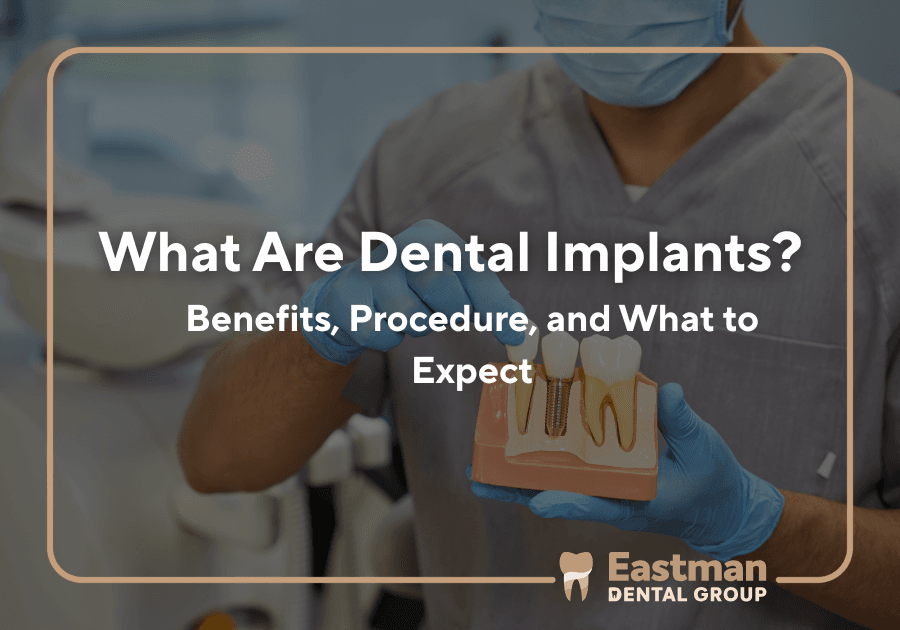
A typical dental implant has three main parts: the implant post, which is placed in the jawbone; the abutment, which connects the post to the replacement tooth; and the custom-made crown that restores the appearance and function of the missing tooth. Because of this structure, dental implants are designed to stay securely in place while allowing patients to chew, speak, and care for their teeth in a way that feels similar to natural teeth.
Common Problems Dental Implants Can Solve
While most people think of implants as a solution for a single missing tooth, they are actually used to address several different dental challenges. Here are the most common issues they can help fix:
Difficulties with Chewing and Digestion
When teeth are missing or weak, it becomes hard to eat certain foods like crunchy vegetables or proteins. Implants restore full biting power, allowing you to enjoy a healthy, varied diet again. Research published in Clinical Oral Implants Research has shown that implant-supported restorations significantly improve chewing function and bite force compared with traditional dentures.
Shifting Teeth
When there is a gap in your smile, the surrounding teeth often start to lean or “drift” into the empty space. This can lead to a crooked bite and make it harder to clean your teeth properly. Implants act as placeholders that keep your natural teeth in their correct positions.
Bone Loss in the Jaw
Your jawbone needs the stimulation of a tooth root to stay healthy and strong. When a tooth is lost, the bone in that area can begin to shrink or deteriorate over time. Because implants mimic a real root, they help preserve the jawbone and maintain your natural facial structure.
Loose or Uncomfortable Dentures
For those who already wear traditional dentures, slipping and clicking can be a source of embarrassment and physical discomfort. Implants can be used to “anchor” dentures, keeping them firmly in place so you can speak and smile with confidence.
By replacing the missing tooth from the root upward, dental implants can restore function while helping maintain the overall balance of the teeth and jaw.
Why Choose Implants Over Other Options?
When exploring tooth replacement solutions, people often compare dental implants with other options such as bridges or removable dentures. While each option can restore missing teeth, implants offer several advantages that make them a popular long-term solution.
One key benefit is stability. Because dental implants are placed in the jawbone, they remain firmly in place and function similarly to natural teeth. This stability allows people to eat, speak, and go about daily activities without worrying about movement.
Another advantage is durability. With proper care and regular dental checkups, implants are designed to last for many years. In many cases, they can serve as a long-term solution compared with other restorations that may need replacement over time.
Dental implants also help protect surrounding teeth. For example, traditional dental bridges often require the neighboring teeth to be reshaped to support the restoration. Implants replace the missing tooth independently, which means nearby teeth can remain intact.
Finally, implants contribute to jawbone support. Because they act like natural tooth roots, they help maintain bone strength and reduce the gradual bone loss that may occur after tooth loss.
For many patients, these benefits make dental implants a reliable and comfortable option for restoring both function and appearance.
What to Expect During a Dental Implant Procedure
The process of receiving dental implants usually begins with a consultation. During this visit, the dentist evaluates the condition of your teeth, gums, and jawbone to determine whether implants are a suitable option. This evaluation may include dental X-rays or digital scans to help plan the treatment accurately.
If implants are recommended, the next step involves placing the implant post into the jawbone. This is a minor surgical procedure where the titanium post is placed into the jawbone. Most patients find that the recovery is much easier than they expected, often comparing it to a simple tooth extraction. You’ll usually be given local anesthesia to ensure you don’t feel pain during the process.
After placement, the jawbone needs time to heal and bond with the implant. This is the most important part. Over the next few months, your bone will naturally grow around the implant allowingthe implant to become stable enough to support a replacement tooth. While you wait for this to happen, you may be fitted with a temporary tooth so you never have to go without a smile.
Once the implant has fully integrated with the bone, the dentist attaches an abutment, which serves as the connector between the implant and the replacement tooth. A custom-made dental crown is then placed on top to restore the shape, appearance, and function of the missing tooth. After a few final adjustments to ensure your bite is perfect, the process is complete.
Although the full process may take several months due to healing time, the result is designed to feel secure and natural. With proper care and routine dental visits, dental implants can provide a long-lasting solution for replacing missing teeth.
Conclusion
Dealing with missing teeth, chewing difficulties, or changes in how your teeth fit together can affect everyday comfort and long-term oral health. As we’ve explored in this guide, dental implants offer a modern solution designed to replace missing teeth from the root up. By restoring stability, protecting the jawbone, and supporting normal biting function, implants help address many of the challenges that come with tooth loss while providing a long-term option for maintaining a healthy set of teeth.
If you are ready to move past the challenges of missing teeth and explore a permanent solution tailored to your needs, the team at Eastman Dental Group is here to help. Our experienced professionals provide personalized care to ensure your journey toward a restored bite is smooth and predictable. Visit our services page to learn more about our comprehensive care options and schedule a consultation today to discuss a personalized treatment plan.